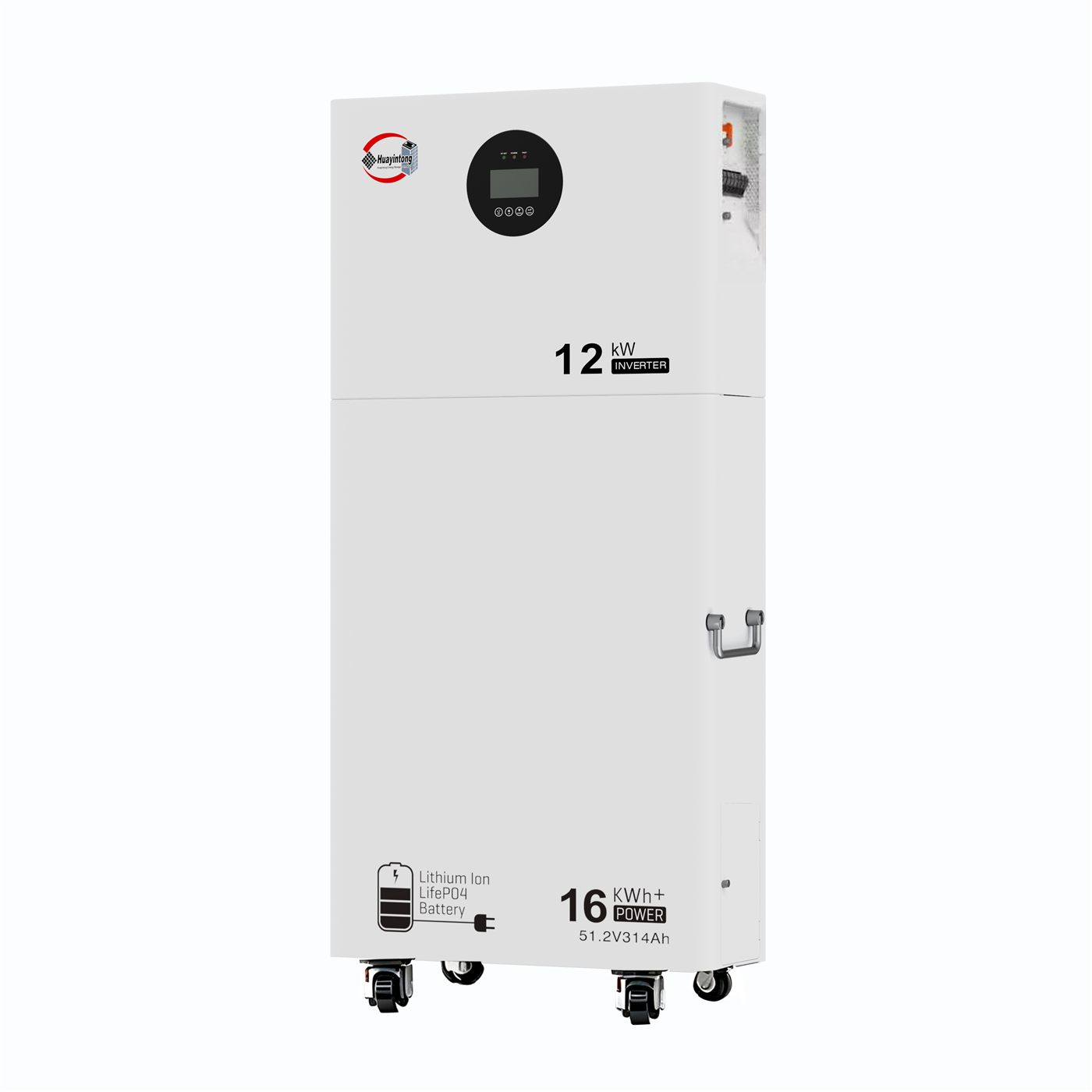
FLAGSHIP / 12 kW · 16 kWh
Outdoor Home Storage Integrated Machine
High-density LFP battery architecture with hybrid inverter, thermal management and app-ready EMS.
View technical profile →Clean, quiet and resilient energy storage engineered for modern living — from the rooftop to the last appliance.
Integrated battery, inverter and intelligent controls in a compact outdoor format. Built for installers who need dependable deployment.
High-density LFP battery architecture with hybrid inverter, thermal management and app-ready EMS.
View technical profile →For villas, apartments and essential-load circuits.
Stackable capacity for evolving residential projects.
Our PACK workflow turns proven cells into a field-ready energy asset — tested, traceable and built to last.
Capacity, internal resistance and OCV data matched before assembly for balanced performance.
Laser-welded busbars and insulated fixtures create a rigid, serviceable module structure.
Protection logic, sensing harnesses and firmware are verified as one control system.
Charge/discharge, insulation, sealing and communication checks before pack release.
Reference configuration for the 12 kW / 16 kWh outdoor integrated machine. Final project parameters are confirmed during engineering review.
IP65 cabinet, modular LFP battery and hybrid power conversion in a single coordinated enclosure.
Download datasheet ↓| Usable energy | 16 kWh |
|---|---|
| Rated inverter power | 12 kW hybrid output |
| Battery chemistry | LiFePO₄ (LFP) |
| Nominal voltage | 51.2 V battery system |
| Protection rating | IP65 outdoor enclosure |
| Communication | CAN / RS485 / Wi-Fi optional |
| Installation | Floor-standing, plug-and-play |
From daily solar self-consumption to resilient backup, the system adapts to the project around it.
Keep critical loads, comfort and connectivity running through outages.
Peak shaving and continuity for shops, offices and light industrial sites.
Pair with solar for dependable energy where the grid cannot keep up.
Use these practical checkpoints during project planning. Final ratings, protection and certification are confirmed against the selected model and market.
LiFePO₄ cells are widely used in residential ESS for thermal stability. A coordinated BMS should supervise voltage, temperature, current and cell balancing.
Design note · final cell and BMS configuration by quotationIP65 is a common reference for dust and water protection, but cable glands, doors, ventilation and installation clearances must be checked as one enclosure system.
Design note · confirm site exposure and local codeStart with critical loads, peak power, solar yield and outage duration. Modular 5–16 kWh configurations make staged expansion practical.
Design note · project sizing review availableShare your target capacity, installation country and timeline. Our team will reply with a practical system recommendation.